
Rome in 3 days: a first visit with room to breathe
Ancient Rome, neighbourhood walks and evenings across the Tiber, with time to enjoy them.
In this guide
- Before you arrive: choose a base that fits your evenings
- Day one: give ancient Rome a proper morning
- Day two: the Pantheon, piazzas and a less hurried Rome
- Cross the river for an evening in Trastevere
- Day three: choose the Vatican or a park-and-gallery day
- Budget for the complete stay, not the headline fare
- Arrival and departure deserve their own plan
- The last check before booking
Rome can make a short holiday feel surprisingly complicated. The places you have imagined for years are suddenly competing for the same morning, every saved restaurant sits on a different side of the river, and a three-day itinerary starts looking like a transport timetable. The answer is to give each day a neighbourhood and one main commitment.
This route is designed for three full days, with arrival and departure outside that time. It combines ancient Rome, the historic centre and an afternoon across the Tiber. There is space for the Vatican Museums if they matter to you, but you do not need to visit every famous building to come home feeling that you have met the city.

Before you arrive: choose a base that fits your evenings
For a first visit, compare actual addresses around the Pantheon and Piazza Navona with options in Monti and Prati. The historic centre makes spontaneous walks easy. Monti fits the ancient-Rome day particularly well, while Prati makes sense if the Vatican is a priority. These are starting areas for your search, not a promise that every street is quiet or every hotel convenient.
Look beyond the room photographs. Check the nearest useful transport stop, the entrance, lift access and recent comments about noise. A charming upper-floor room becomes less charming when there are several flights of stairs and your luggage is heavy. Ask the property about anything essential rather than relying on a broad facilities label.
Keep your first evening simple: check in, eat nearby and take one short walk. Booking a major attraction immediately after a flight leaves little room for delays. Save your energy for the morning when you can enjoy it.
Day one: give ancient Rome a proper morning
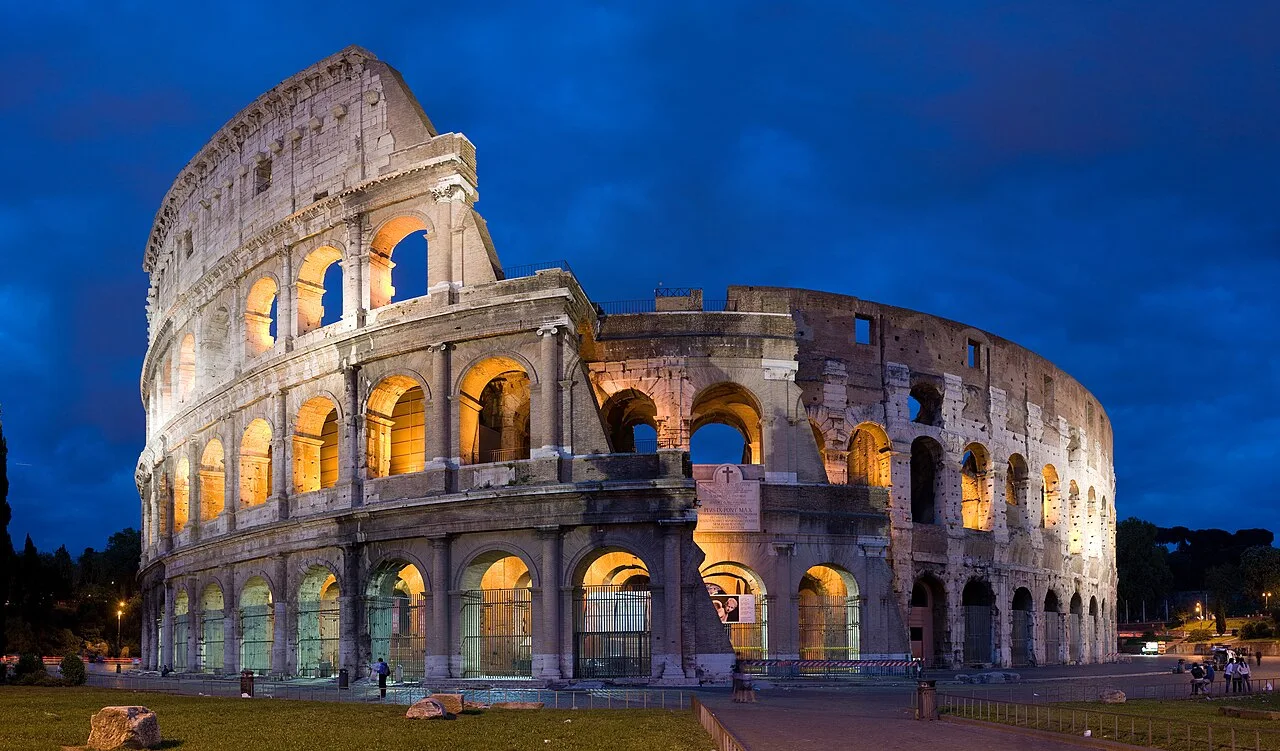
Build the first day around the Colosseum, Roman Forum and Palatine. Begin with the archaeological park's official website and choose the ticket that covers the areas you actually want. Different products offer different access, so do not assume that an arena or underground visit is included in a standard booking. Follow the current booking and identification instructions attached to your ticket.
Allow a generous part of the day rather than squeezing the visit between other reservations. The Forum is an outdoor archaeological landscape, not a room you can glance around in twenty minutes. Comfortable shoes, water and a deliberate lunch break will improve the experience more than adding another monument. In hot weather, reduce your afternoon walking ambitions.
Afterwards, use Monti for a slower change of pace. Find lunch, sit down properly and decide how much walking you still want. If you have energy, continue towards the Capitoline area; if you do not, return to your hotel without treating the break as lost time. The point of this afternoon is to recover the ability to notice things.
For dinner, book somewhere within an easy journey of your accommodation. You have already spent a substantial day on your feet. A relaxed meal nearby is often a better ending than crossing Rome for a restaurant that looked compelling on a screen.
Day two: the Pantheon, piazzas and a less hurried Rome
Start around the Pantheon, then walk towards Piazza Navona. If you want to go inside the Pantheon, check its current visitor arrangements before setting out; seeing the outside and entering the building are different plans. Keep this morning flexible enough to stop for coffee or follow a street that catches your attention.
Continue towards Campo de' Fiori and Piazza Farnese. These places work as a connected walk rather than a set of isolated appointments. Rome's tourism office includes this part of the centre in its 72-hour itinerary, which is useful for understanding how the main areas relate to one another. Use a current map for the exact route and opening information from each venue.
At lunchtime, look at menus before choosing a table. Check portion descriptions, any stated service charges and whether the setting suits the meal you want. A short menu is not proof of quality, and a crowded terrace is not automatically a tourist trap. Recent reviews can help, but your own budget and appetite should make the final decision.
Leave the early afternoon for one optional detour: the Trevi Fountain, a small museum or a return to a street you liked. Resist adding all three. Popular outdoor sights can still involve crowd management and changing access arrangements, so check locally and expect the experience to be shared with many other visitors.

Cross the river for an evening in Trastevere
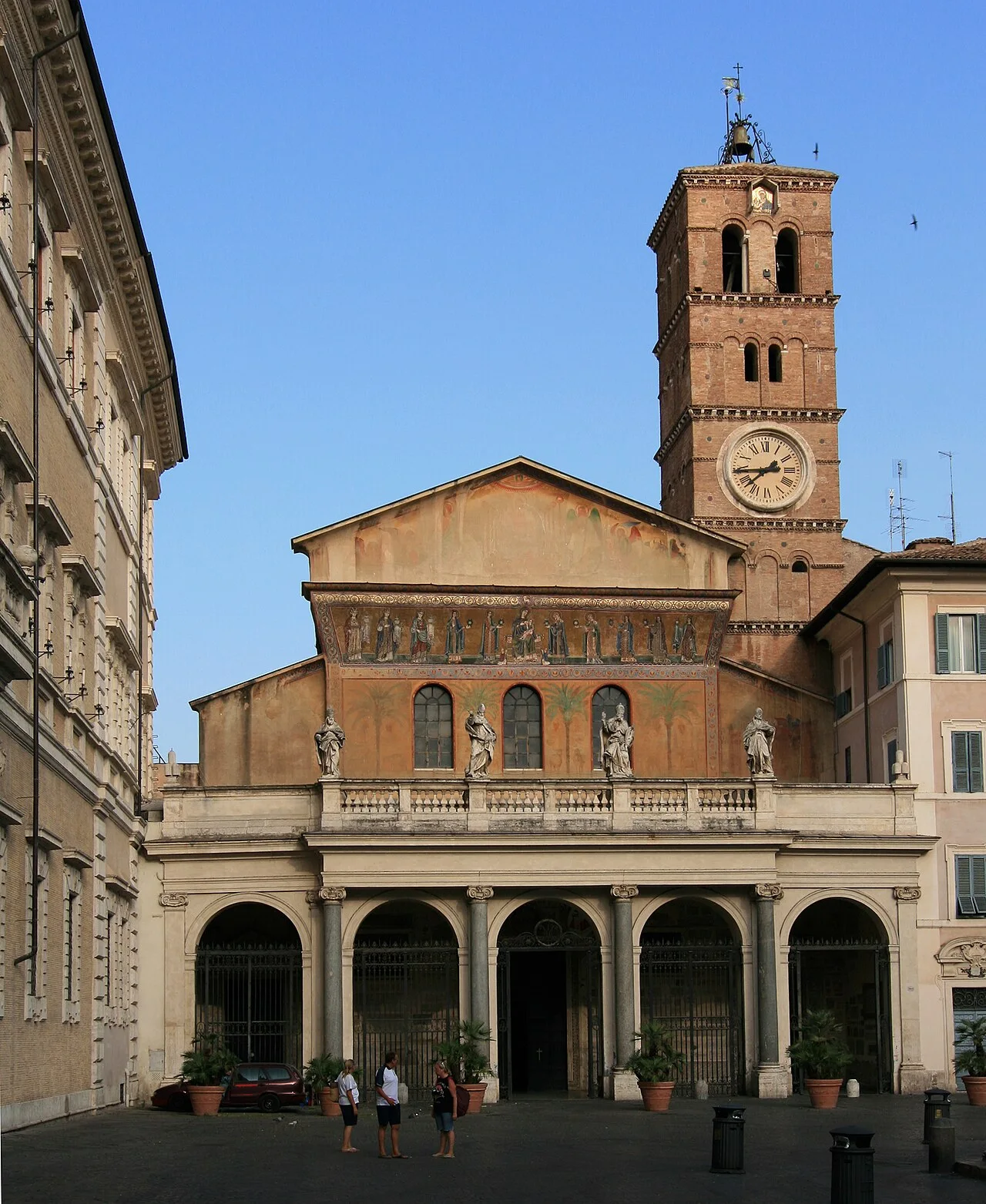
Later, make your way towards the Tiber and into Trastevere. Around Santa Maria in Trastevere, the appeal is the change of setting: a square to pause in, smaller streets and another part of the city to explore. The tourism office's Trastevere guide also highlights Santa Cecilia, Villa Farnesina and the botanical garden if you would prefer a specific cultural stop.
Choose one of those visits instead of stacking it on top of an already full day. If dinner is the main reason for coming, arrive with enough time to walk before eating. Book a table if a particular restaurant matters to you, and keep a second option in mind rather than joining a long queue simply because everyone else has.
Before you settle in, check the journey home. A neighbourhood can feel close while you are exploring and much farther away when you are tired. Quiet accommodation elsewhere and an evening here may suit you better than sleeping directly above the busiest nightlife streets.
Day three: choose the Vatican or a park-and-gallery day
If the Vatican Museums are a priority, reserve through the official visitor information and ticket links. Treat the museums as the main event. Avoid a schedule that assumes you will finish at an exact hour and immediately make another timed entry across the city. Check the calendar, dress requirements and what your booking includes.
St Peter's Basilica has its own visitor arrangements; do not assume a museum ticket settles everything. Leave room for security queues and confirm access for your date. Afterwards, an unhurried meal in Prati and a walk towards the river are enough. You do not need a second major museum to make the day worthwhile.
If that does not sound like your holiday, choose Villa Borghese and the Pincio area instead. A visit to the Borghese Gallery needs its own booking check, but a park-based day can also be mainly outdoors. Decide whether you want art or open space before buying tickets. Finish with the part of Rome you most want to see again.
Budget for the complete stay, not the headline fare
Compare flights and accommodation for matching dates, baggage and cancellation conditions. Then add the airport journey, local transport, attraction tickets, meals and any accommodation taxes shown separately. A cheap room that creates two long journeys every day may offer worse value than a simpler central option.
Set aside a flexible daily allowance instead of assigning every coffee a number. Decide which two or three paid experiences you genuinely care about, then let the remaining time be walks, squares and meals. If the total is uncomfortable, shorten the attraction list before removing every comfortable pause from the trip.
Miradore can help you compare available flights and stays, but confirm the final total and terms with the booking provider. For more detail on room choices, use our hotel booking guide before committing.
Arrival and departure deserve their own plan
Check which Rome airport your flight uses before comparing transfers. Save the airport name, the onward stop and the final route to your hotel together. A transport option that looks excellent for one property may be awkward for another, particularly when the last section includes stairs or a long walk with bags.
For a late arrival, ask the hotel about check-in arrangements and compare transport operating at that hour. For an early departure, work backwards from the airport arrival time you need. Do not assume that the journey which worked in the afternoon will be available before dawn. If you book a transfer, verify where the driver will meet you and how flight delays are handled.
Keep one alternative route saved in case the first option is disrupted. That small piece of preparation reduces the temptation to accept the first expensive offer at an unfamiliar arrival hall. It also gives you a clearer picture of the real cost before you buy the flights.
The last check before booking
Put your arrival time, hotel check-in, three main visits and departure journey on one page. If the plan already feels crowded, remove something. Check attraction calendars against the actual weekdays, leave a buffer before your flight and save important confirmations offline. Keep the other interesting places on a separate list for a future visit.
Three days will not finish Rome. They can give you an ancient landscape you finally understand, a favourite square and an evening you did not want to end. That is a more satisfying result than a complete checklist and no memory of sitting still.
Researched on 20 September 2026 using the official sources linked above. These are suggested itineraries, not live offers. Confirm access, availability and final prices before booking. Photos are individually credited.